


- This event has passed.
GAC Toyota Bozhi 7: The China-Engineered EV Flagship Aiming at the 200k RMB Segment
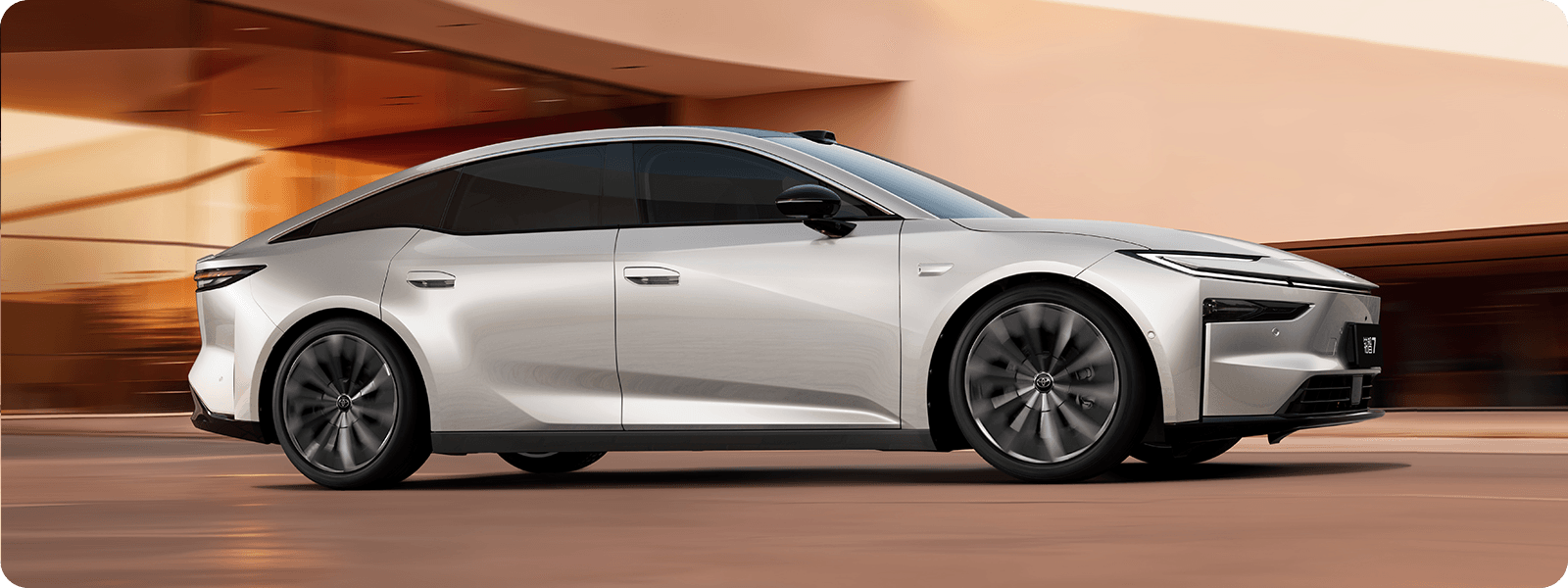
Under the lights of the Guangzhou Auto Show, the GAC Toyota Bozhi 7 made a quiet entrance—yet instantly became one of the most talked-about pure-electric sedans of the event. Positioned as a mid-to-large flagship EV developed by a Chinese engineering team and armed with Huawei’s HarmonyOS cockpit, DriveONE electric motor, and a dual-ecosystem integration with Huawei and Xiaomi, the Bozhi 7 signals a clear shift in how traditional automakers are approaching intelligent mobility.
A Flagship for the 200,000-RMB EV Market
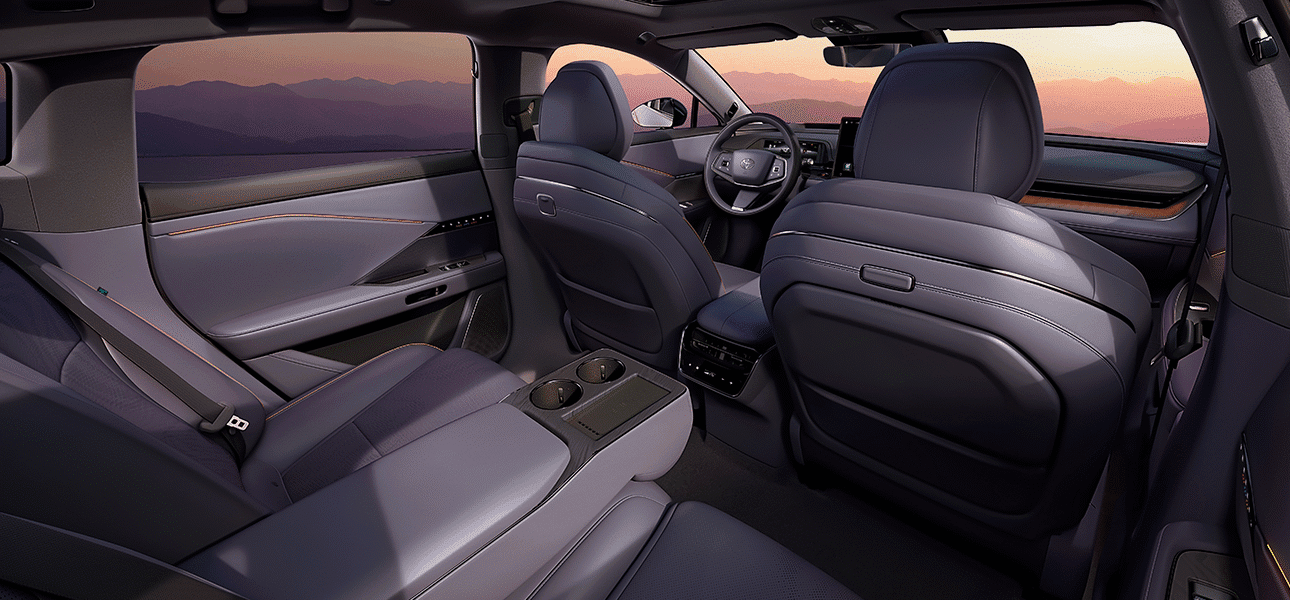
With dimensions of 5130/1965/1506 mm and a long 3020 mm wheelbase, Bozhi 7 offers cabin space approaching D-segment luxury sedans. Family use, business trips, long-distance cruising—its packaging clearly targets consumers who want more than the compact footprint typical of this price range.
Core comfort and tech highlights include:
- Face recognition with automatic seat & climate presets
- HUD display
- Full-seat heating/ventilation/massage (front & rear)
- Yamaha audio system
- Rear wireless charging
- Dual-chamber air suspension + SDC dampers
For a 200k-class EV, this is an unusually complete configuration set, and one that gives Bozhi 7 a real competitive edge against Tesla Model 3, BYD Han, and other mainstream choices.
A Smart Car in the True Sense: HarmonyOS + Xiaomi Ecosystem
Bozhi 7 is the first model in the industry to integrate both Huawei HarmonyOS 5.0 and the Xiaomi “Human–Car–Home” ecosystem.
For everyday users, this means:
- HarmonyOS multi-device collaboration (phone ↔ car ↔ home)
- Xiaomi smart-home control directly from the vehicle
- Expanded accessory support (walkie-talkies, mounts, fragrance systems, dual-instrument clusters, etc.)
This dual-ecosystem strategy removes brand boundaries—a bold move that speaks directly to China’s tech-native consumers.
On the autonomous driving side, Bozhi 7 partners with Momenta R6, offering an end-to-end large model that supports city + highway assisted driving, lidar-based perception, and high-level parking functions.
Design & Power: Futuristic, Purposeful, Confident
The exterior adopts a clean, sealed EV face paired with a sweeping fastback silhouette and frameless doors. The small ducktail, slender LED lightbars, and panoramic roof reinforce the car’s futuristic tone.
Under the skin:
- Huawei DriveONE motor, 207 kW
- CLTC range options: ~600 km, 680–710 km (depending on batteries)
- CATL LFP pack from CALB
- Top speed: 180 km/h
Acceleration is brisk, and the refined suspension tuning gives Bozhi 7 a smoother ride than many competitors in its segment.
Autossey’s Take: Strong Product, Real Opportunities—If Execution Follows
The Bozhi 7 arrives at a time when the 200k EV segment is heating up faster than any other. Its advantages are clear:
- A genuinely premium cabin
- A Chinese-led development strategy aligned to local usage
- HarmonyOS + Xiaomi dual-ecosystem—an angle no competitor currently matches
- High-spec driving assistance backed by lidar and Momenta
But challenges remain. Real-world range, software polish, and long-term OTA cadence will determine whether it can stand up to Tesla’s efficiency advantage or BYD’s overwhelming market presence.
Still, in our view at Autossey, Bozhi 7 represents one of the strongest pushes from a joint-venture brand in China’s EV era—finally stepping into the arena not as a follower, but as a contender.
As it heads toward its official market launch next year, the Bozhi 7 could prove to be a turning point—not only for GAC Toyota, but for how JV brands redefine their place in China’s fast-moving EV landscape.